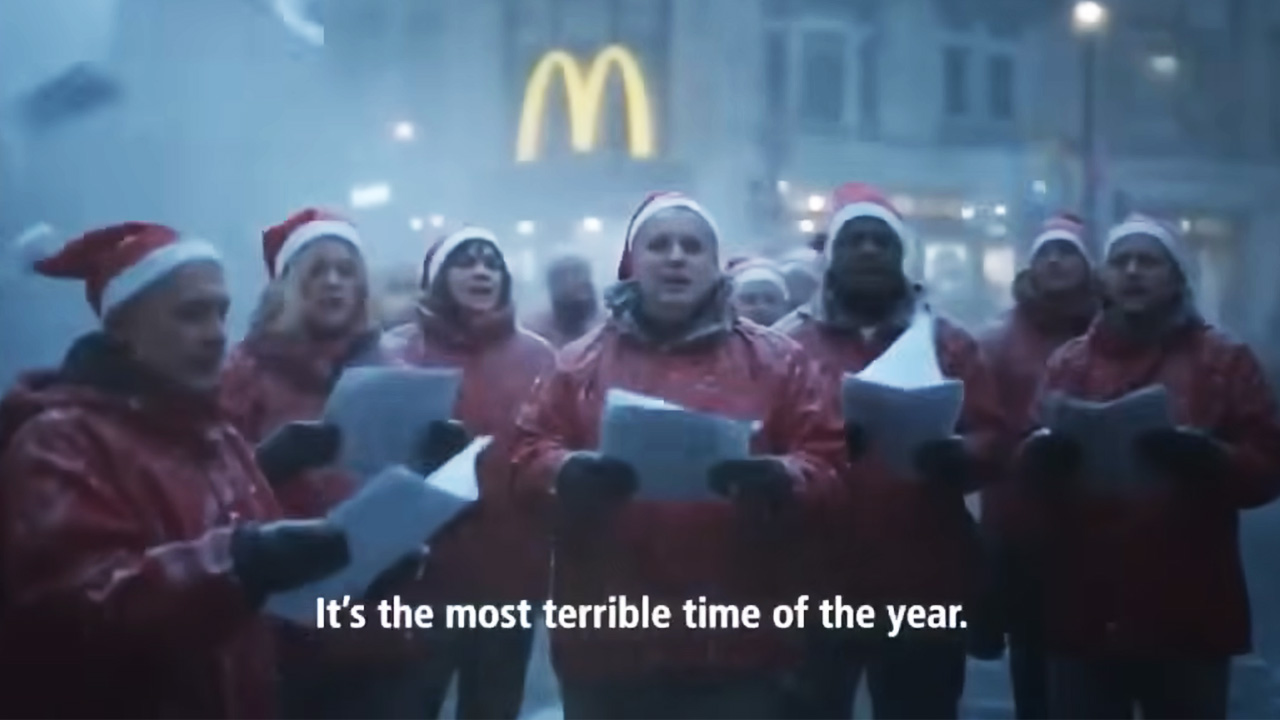
Every once in a while, companies go out of their way to release an ad that is universally hated. Most of the time, the people behind the ads are very well aware of the impending negative response, but they go with it anyway. Why is that? Because, sometimes, ads do not aim to sell a product or service – they aim to communicate a message from their elite-connected owners.
This year, some major companies decided the holiday season would be the perfect time to release creepy, soulless, AI-generated ads that will annoy the entire world. And McDonald’s took it a step further by portraying Christmas as “the most terrible time of the year.”
Indeed, spending quality time with one’s family, honoring traditions, and celebrating the birth of Jesus Christ go against everything the satanic elite wants for us. So, every chance they get, they try to attack or poison the festivities in one way or another. And nowadays, to add insult to injury, they use AI slop to serve their poison.
It doesn’t take millions in market research budget to know that, no matter how impressive AI technology is becoming, people hate it and are viscerally repulsed by it. It is almost as if our brains recognize an inauthentic attempt to replicate human life and become alarmed by it.
Part of this response might be due to the “uncanny valley effect.”
The uncanny valley effect describes the eerie, unsettling feeling people get from robots or artificial figures that look almost, but not quite, human, causing a dip in our affinity from positive to revulsion before potentially rising again with perfect realism. Coined by roboticist Masahiro Mori in 1970, it suggests that slight imperfections in highly realistic human simulacra trigger discomfort, possibly as an evolutionary defense against disease, death, or threats, making us question if something is alive or dead, healthy or ill.
The uncanny valley effect is our brain’s instinctive response to seeing lifeless humans. And that’s precisely what the following McDonald’s ad looks like: A bunch of dead people trying to look alive. Add to this a decidedly anti-Christmas message, and you get one of the most baffling ads of the year.
The Most Terrible Ad of the Year
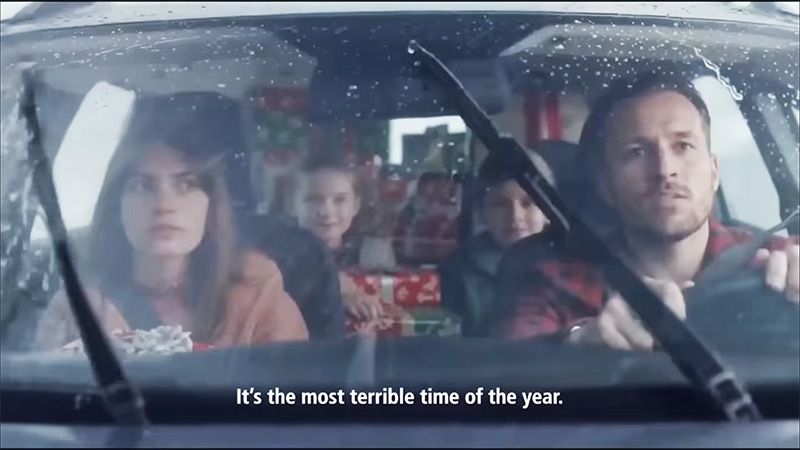
After depicting the horror of spending time with one’s family, the ad shows us other ways the holiday season is “terrible.” The following scenarios are supposed to be funny. But they’re not. Because computers are not meant to be funny, they’re meant to do spreadsheets.
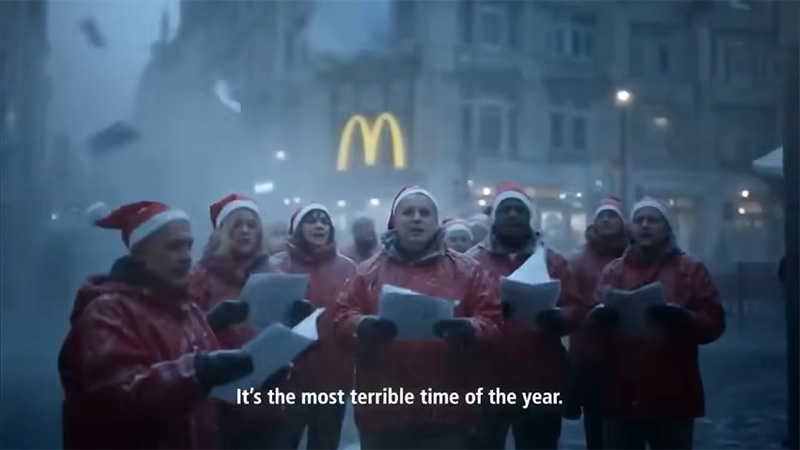

Meanwhile, the lyrics say:
“All the shops turn to mayhem, leaving Santa no space.”
What does that even mean? Why would Santa even be in a shop? He has a whole workshop with elves working around the clock and everything. This ad pushes libelous disinformation about Santa.
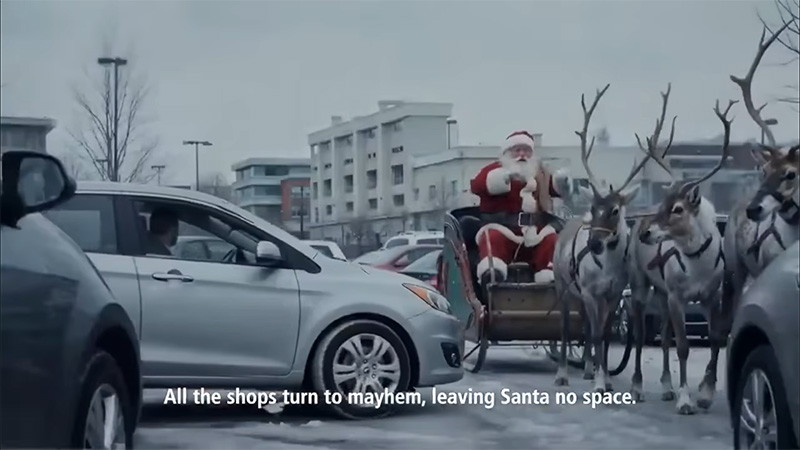
The ad also contains anti-family propaganda.
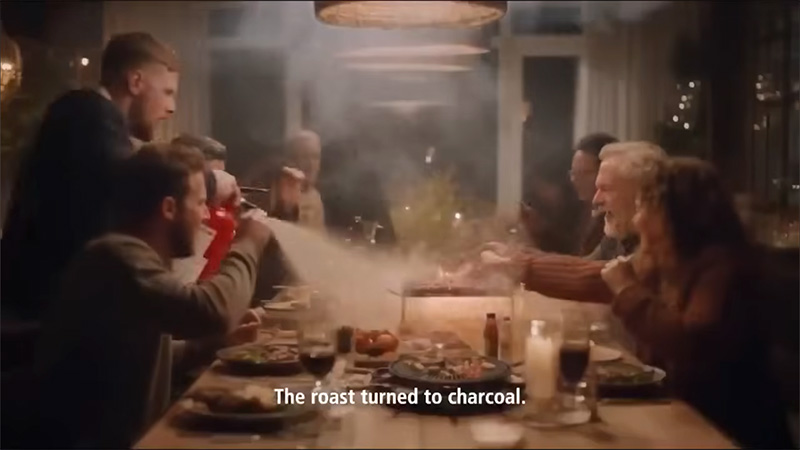
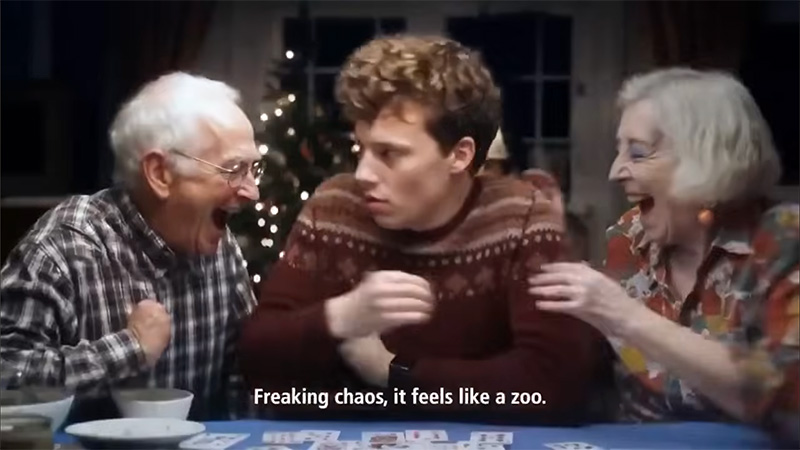
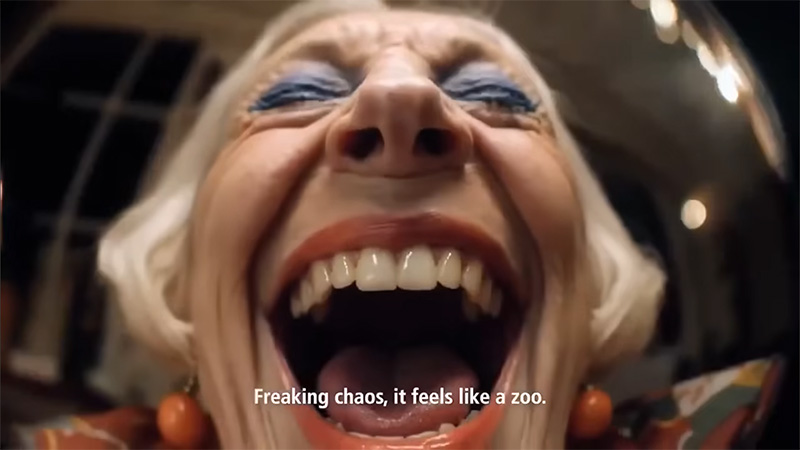
Meanwhile, the song compares this family gathering to a zoo. In other words, the ad compares people who celebrate Christmas to animals. This is what happens when you combine the elite’s hate of Christmas with AI garbage: Bizarre songs comparing family gatherings to a zoo.
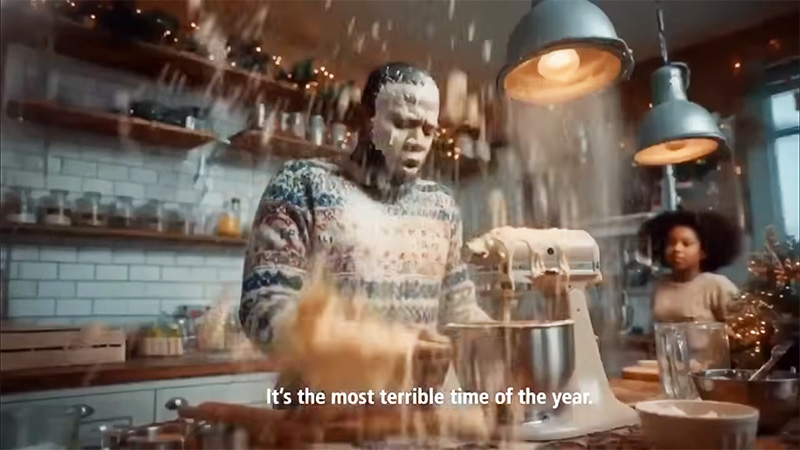
Instead of crafting a fun, creative, and wholesome ad for the holidays, some people were paid to feed an AI bot with prompts. And, apparently, these sad people really wanted to see people getting hurt. So they asked ChatGPT (or whatever) to generate ways humans get violently injured. Should we give AI (aka our future enemy) ideas about how to hurt humans?
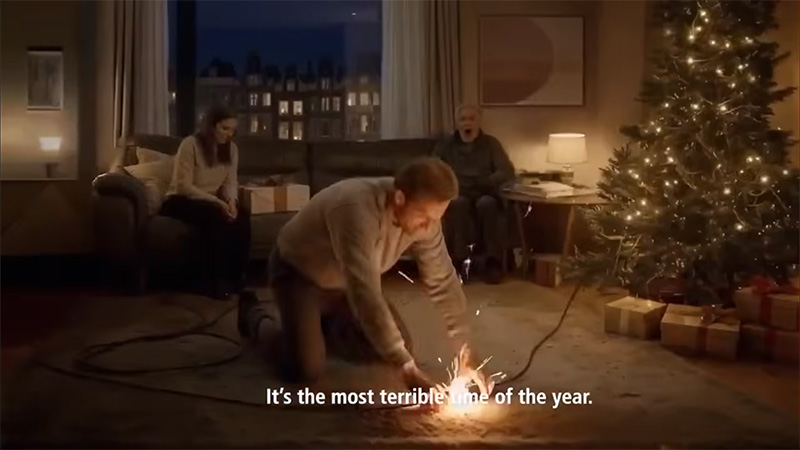

The guy hanging upside down on Christmas lights immediately reminded me of a specific symbol.

In tarot, The Hanged Man suggests “ultimate surrender, sacrifice, or being suspended in time.” Whether intentional or not, this reference is rather dark.

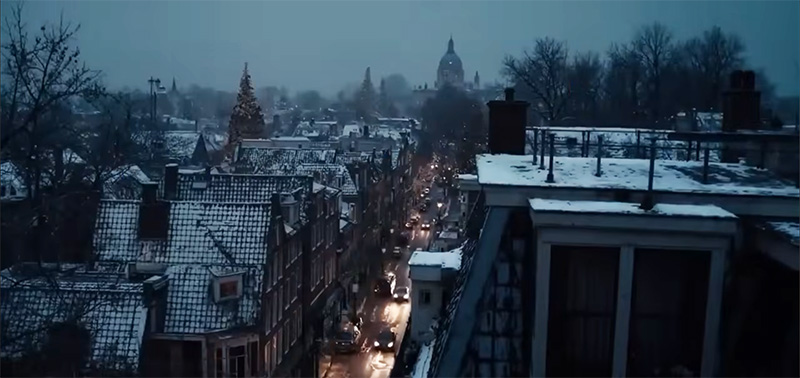
However, there’s some good news.
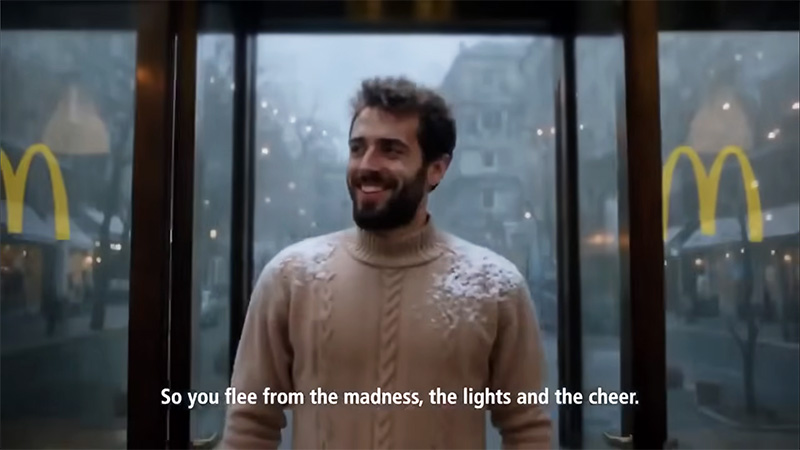
Meanwhile, the song says:
“So you flee the madness, the lights and the cheer.”
Flee the cheer? Cheer means fun and happiness. Are these people OK? Did people even write this?

The ad ends with a near-cataclysmic scene.

In short, this ad is terrible. People hated it so much that comments were restricted on social media before the ad was completely removed. However, as it often happens, the ad was nevertheless reposted and went viral due to its infamy. And that is probably what they’ve wanted all along.
Are They Testing Us?
The ad above was an abomination created by one of the world’s largest companies. Strangely enough, another gigantic corporation found it a good idea to annoy people with an AI-generated Christmas ad.

Since 1995, Coca-Cola has been releasing “Christmas is Coming” ads that feature a red truck and Santa Claus. This year, it was fully AI-generated, and people hated it. And I’m pretty sure they knew people would hate it.
At the bottom left of the screenshot above is written “Created by Real Magic AI.” This is Coca-Cola’s exclusive platform that uses OpenAI’s DALL-E 2 image-generation and GPT-4 text-generation models.
In other words, global brands believe that AI is the future of marketing and are testing their cold, soulless and heartless creations during the holidays. Weird time to do so,
In Conclusion
Two of the world’s best-known brands used generative AI to create Christmas-themed ads, and the results were disastrous. In McDonald’s case, the makers went out of their way to make a bleak, violent, upsetting, anti-family ad, using unnerving AI people. Why did they even bother creating such an abomination?
For most families, Christmas is about fun, warmth, tradition, Christianity, and other wholesome things. And the elite absolutely hates it. Every year, they attempt to poison the spirit using media, and this year, McDonald’s did its part. They knew everyone would hate it, but they did it anyway. Because it was their turn to create the most terrible ad of the year.