Covering the MET Gala has become a yearly tradition on Vigilant Citizen because, well, I just have to. In many ways, it sums up the contents of this site in one ridiculous yet deeply revealing event. Through a parade of industry slaves and powerful people seeking attention, symbolic outfits are used to celebrate the elite’s control, glorify its dogma, and fetishize its darkest impulses.
This year, more than ever, the outfits put on display by the world’s biggest celebrities were rife with symbolism and references to works of art from the past.
The theme of the 2026 MET Gala was “Costume Art,” which explores the relationship between clothing and the body. The corresponding dress code was “Fashion is Art,” encouraging attendees to treat the body as a canvas with artistic, over-the-top, and sculptural looks inspired by the new Costume Institute exhibition.
While every year has a different theme, the underlying theme is always the same: The occult elite controlling the industry. And celebrating its bizarre culture. This year’s theme was especially vague and open-ended, enabling creators to express their occult elite-ness brazenly.
Whether it’s through accessories that carry heavy symbolic meaning or outfits that are nothing less than “humiliation rituals,” the MET Galas are a yearly reminder that those who control the world are strange as hell.
Dark Art References
Several outfits at the 2026 MET Gala were directly inspired by works of art, and when one understands the context and the references in these creations, one realizes that some dark, elite-sponsored messages are being communicated through “fashion art.”
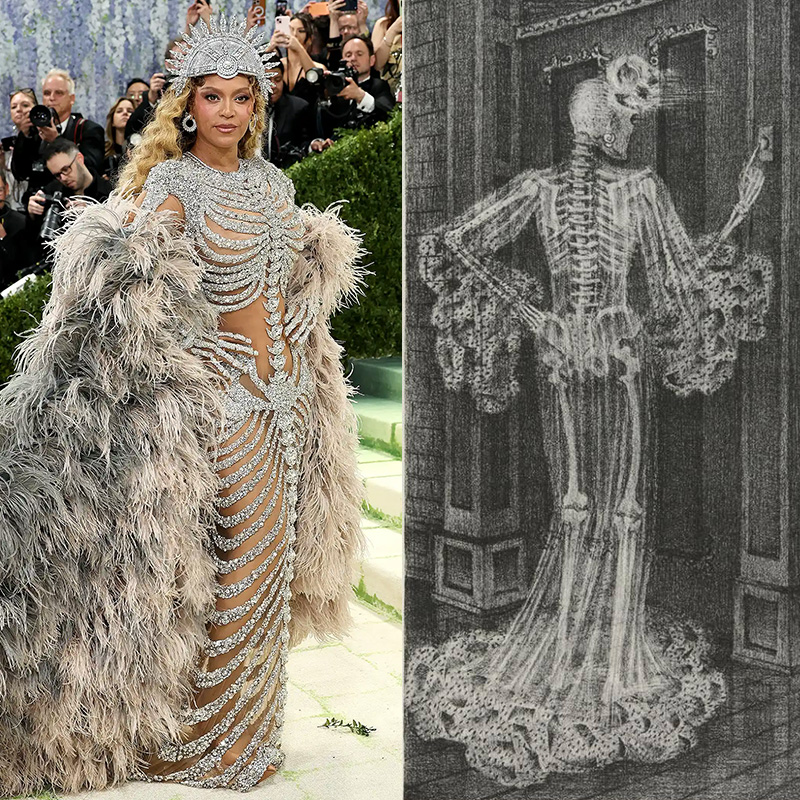
The skeleton in Durieux’s artwork represents Death personified in an elegant, feminine figure. Made during World War II, the image was inspired by the artist learning of friends’ deaths at parties, which made her feel that Death was literally “visiting” or standing at the door of everyday life and social gatherings. In her art, death did not come as the grim reaper; it came as a fashionable and seductive guest.
In other words, Beyoncé came to the MET Gala as a fashionable embodiment of death. Is the elite trying to tell us something?
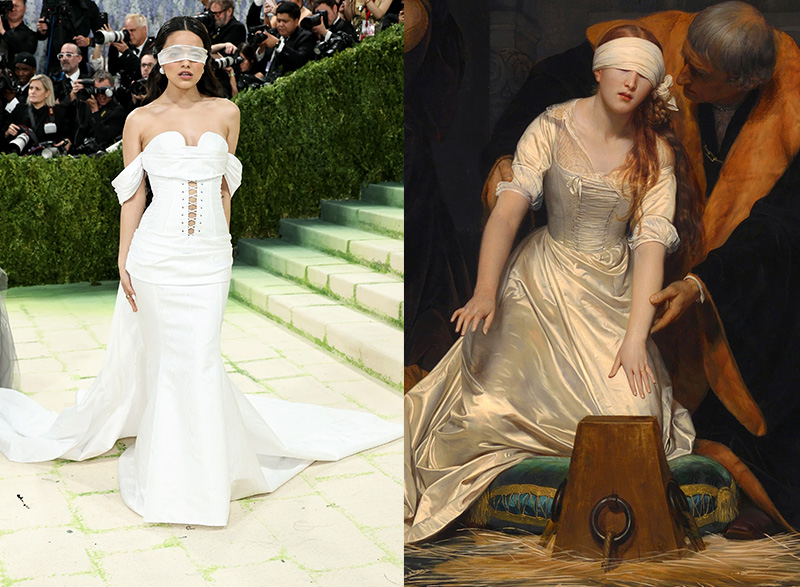
While Beyoncé personified death, Rachel Zegler came as someone who was about to die because she was convicted of high treason. Interesting reference.
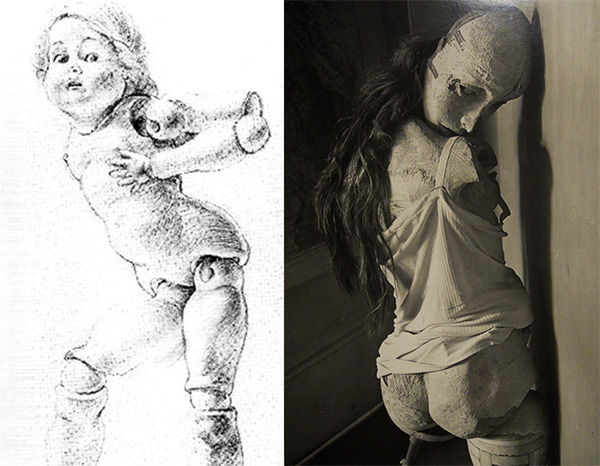
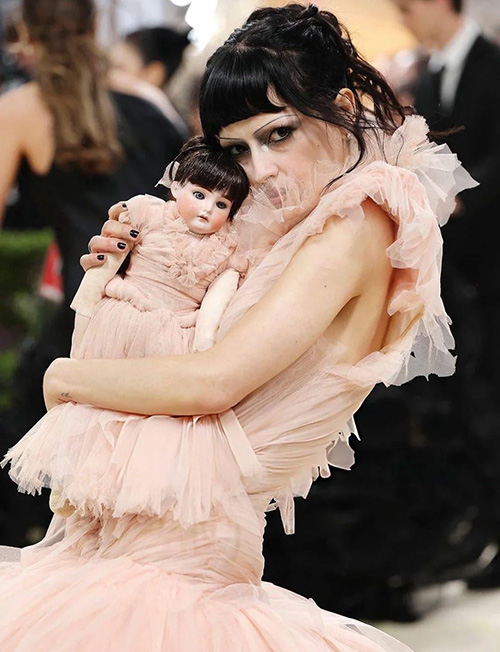
Then, Cardi B came dressed as a deformed sex doll. Of course.
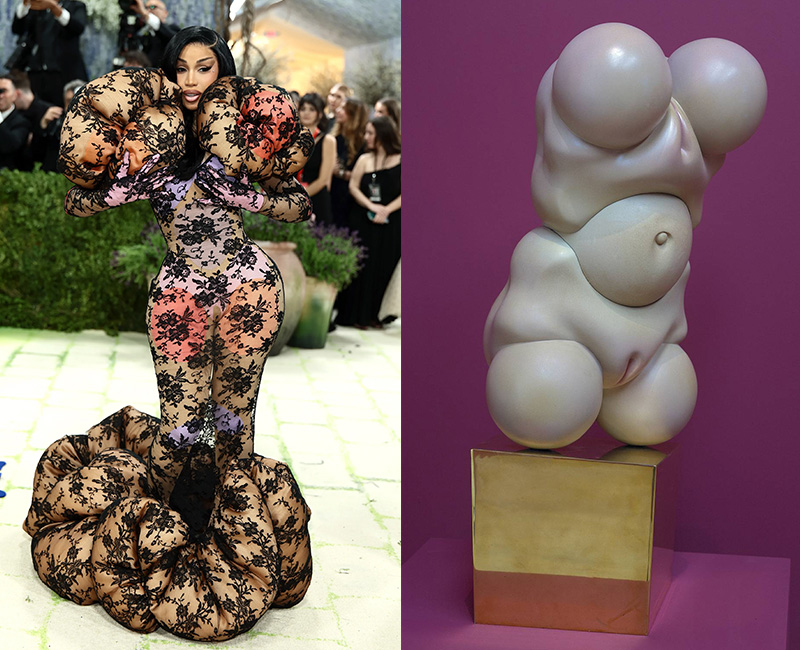
Hans Bellmer was mostly known for creating sculptures depicting young girls as grotesque, mangled, yet highly sexualized dolls, which caused his art to be described as “degenerate” and “pedophilic.”
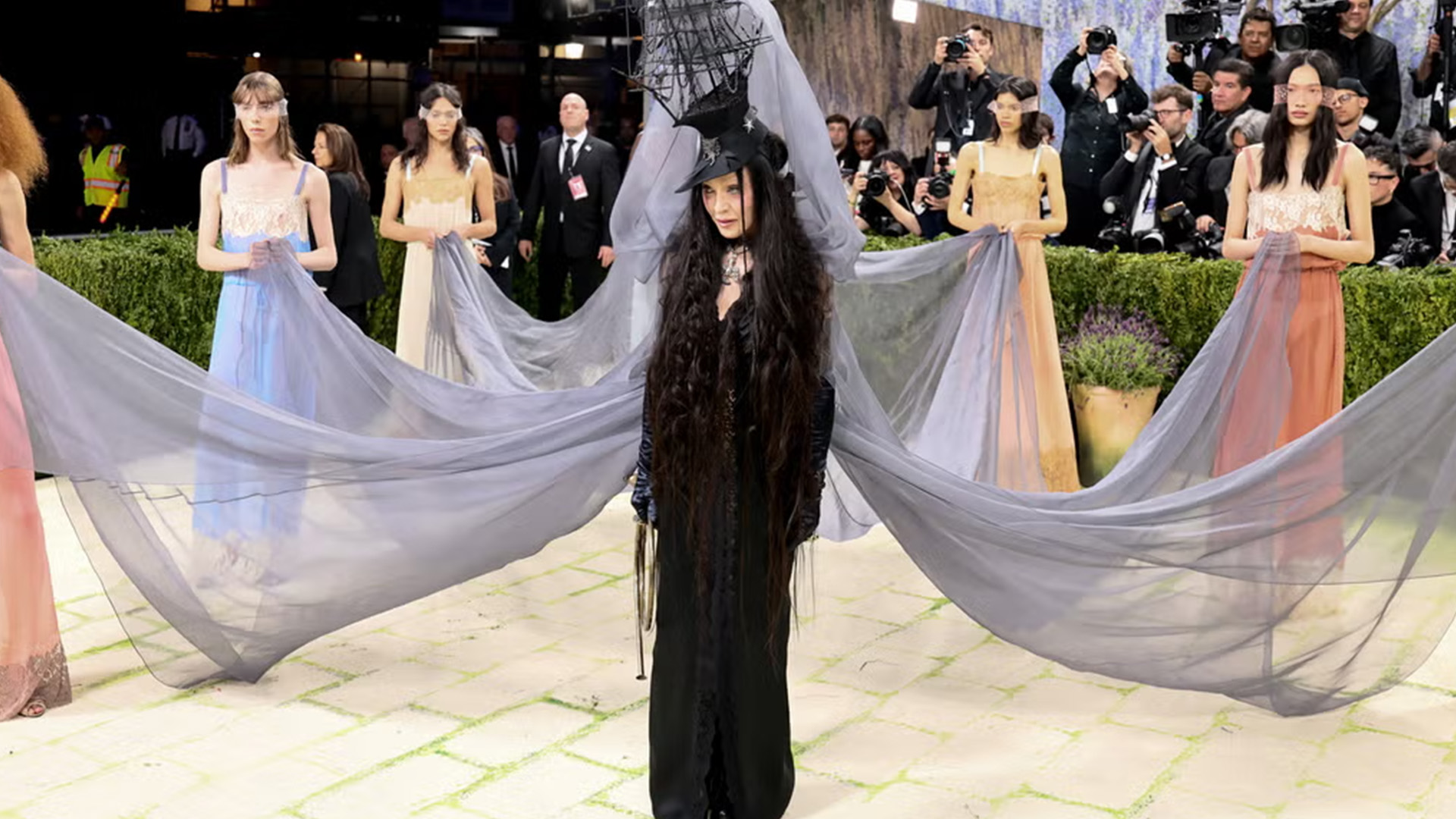
Amid this degeneracy, the Grand Priestess of the industry just had to grace the MET Gala with her highly symbolic presence.
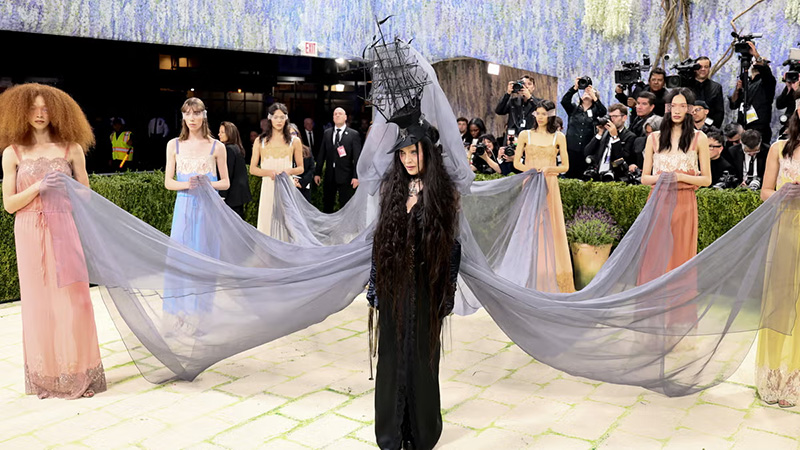
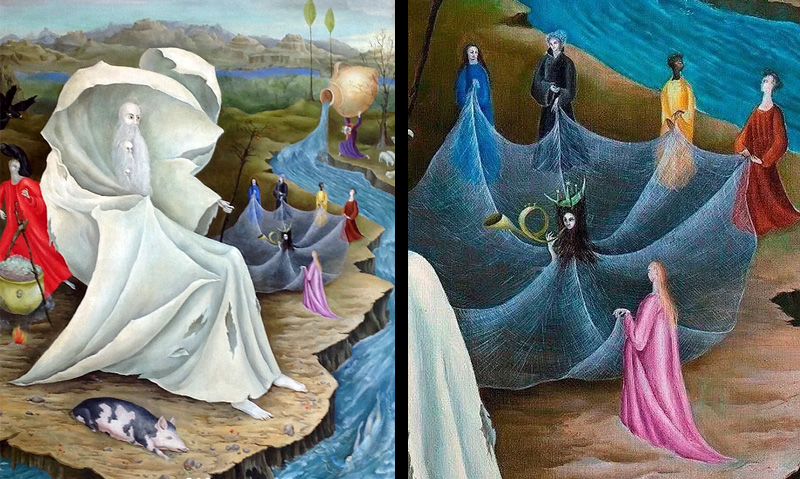
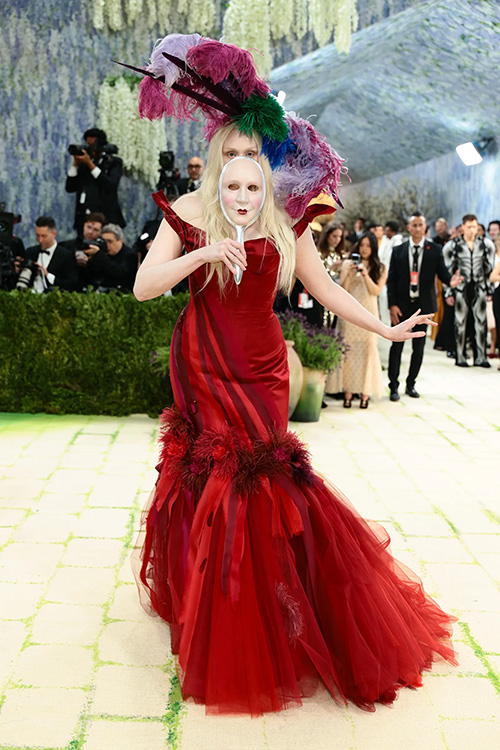
The Temptation of St. Anthony is a recurrent theme that inspired some of the most outlandish paintings in art history (read my article about it here). Despite widely differing interpretations of this subject depending on the artist, all works about the Temptation of St. Anthony revolve around the same central theme: St. Anthony resisting temptation represented by demons, harlots, alcohol, and other worldly pleasures.
In other words, Madonna appeared at the MET Gala as a demonic figure who is tormenting a Saint by tempting and seducing him. Think about the implications of such a reference in regard to the entertainment industry.
Speaking of crypto-satanic references.
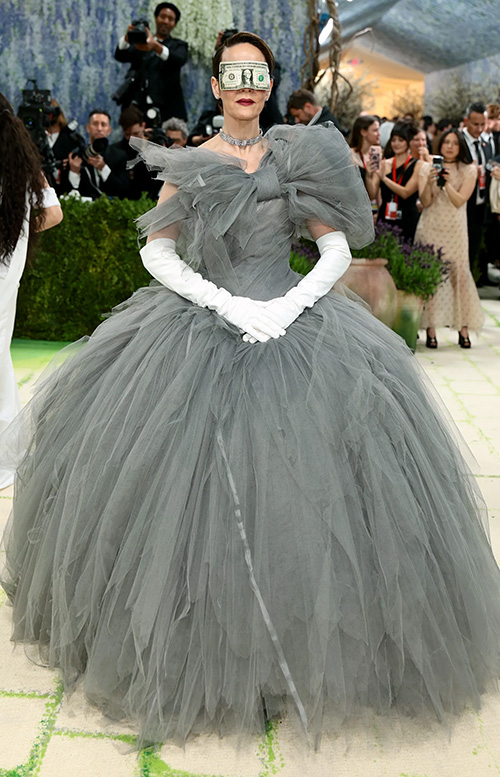
Her dress was created by the French art house Matières Fécales for their fashion show, The One Percent. As explained in my recent article about this very show, Matières Fécales is deeply connected with the darkest elements of the industry and their creations reflect it.
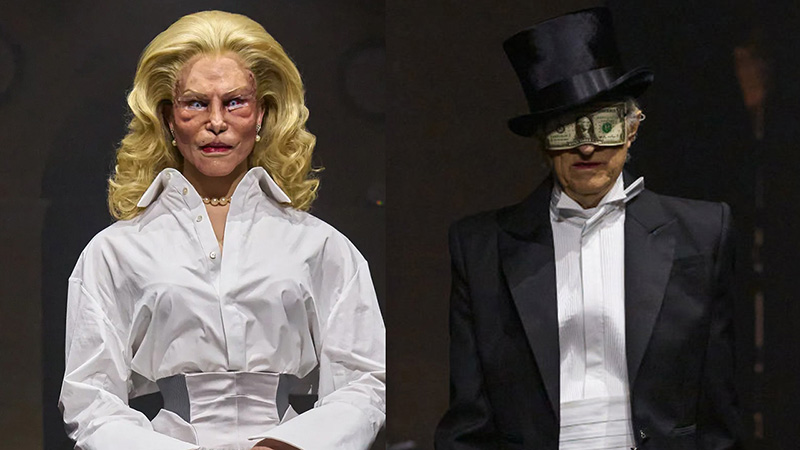
Other outfits donned at the MET Gala were not directly inspired by works of art, but they still contained highly symbolic elements that allude to the occult elite.
MKULTRA Culture
As explained countless times on this site, the occult elite loves to brag about one of its darkest practices: Monarch mind control. Whether it is done through obscure or overt symbolism, they love to celebrate them turning people into mind-controlled slaves using the most sadistic practices on earth.
To sum it up briefly, Monarch mind control is a modern offshoot of MKULTRA, and its ultimate goal is to turn people into mind-controlled slaves using trauma, dissociation, and programming (read my article about it here).
What does any of this have to do with the MET Gala? Well, numerous outfits celebrate this sick MK “culture.” A glaring example is Janelle Monae’s highly symbolic dress.
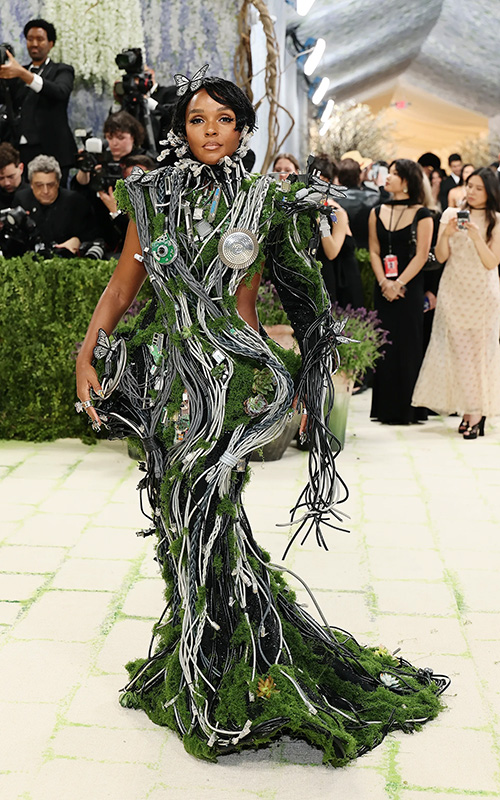
Janelle is one of those people who have not released anything significant in several years, but she’s always parading around at these elite gatherings. Why is that? Because her entire act is about her being an MK slave. Her outfit at the MET Gala refers to her ego, Cindi Mayweather, a programmed android, which happens to be an apt way of representing MK slaves. The monarch butterflies on her outfit make things 100% obvious.
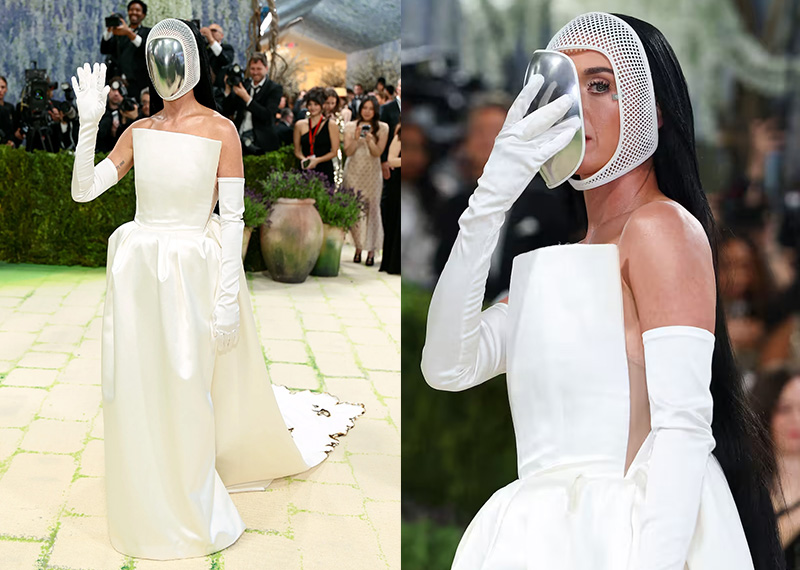
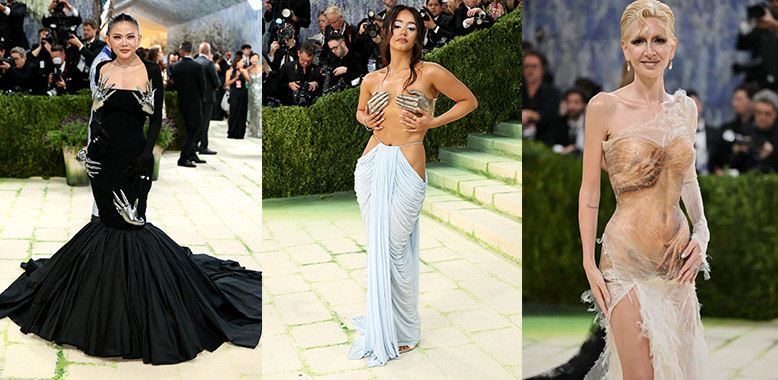
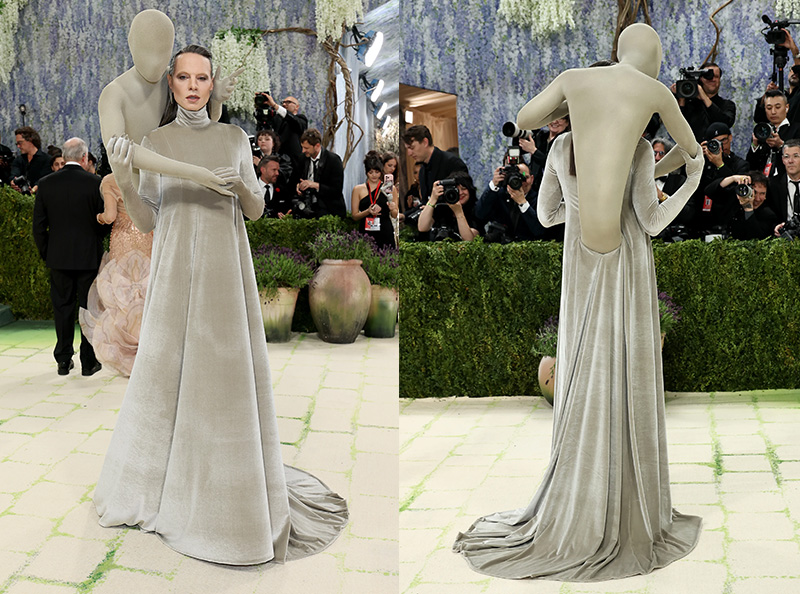
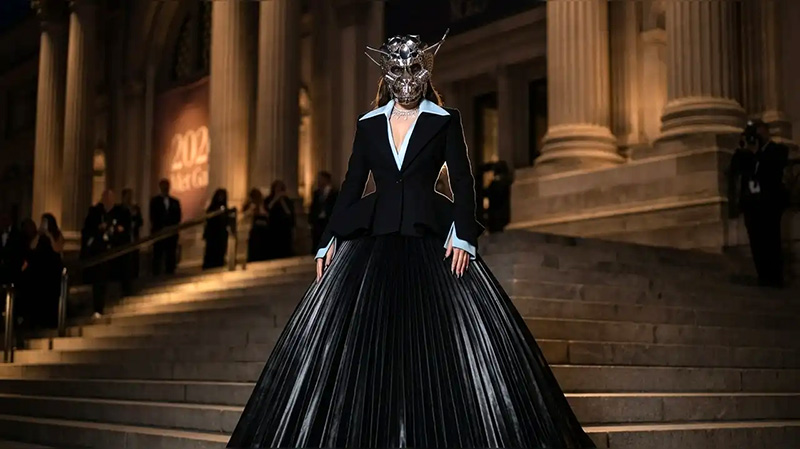
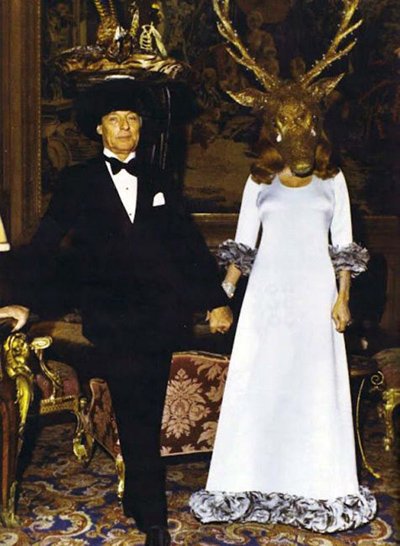
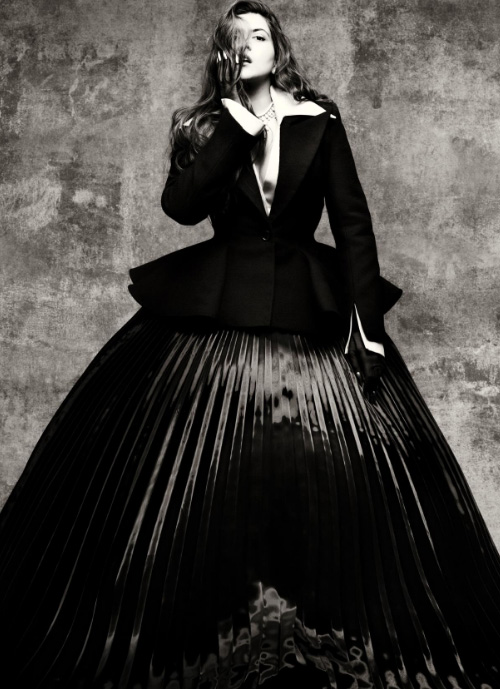
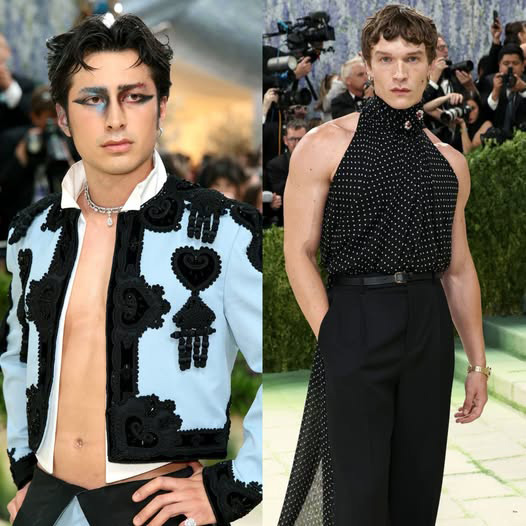
As seen in previous articles, the elite is also pushing hard for the gender-blurring agenda. To promote this obsession, they keep heavily promoting men wearing dresses, makeup, and everything else feminine. For this reason, nearly every man at the MET Gala has to parade around in the most effeminate (or outright embarrassing) outfit possible, no matter their sexual orientation. It doesn’t matter. Just comply and wear the dress.
I will spare you the dozen men who had to walk around in ridiculous outfits this year, but here’s an example of the elite’s agenda in action.
In Conclusion
This year’s MET Gala was more symbolically substantial than usual, as many outfits told deep stories through references to past works of art. That said, as seen above, taking the time to explore the meaning behind these references leads to dark rabbit holes. From Beyonce embodying death coming to the masses to Madonna representing demonic temptations, without forgetting Cardi B saluting a sex doll of a creepy pedo artist, the MET Gala put on full display the elite’s disturbing mindset.
Going further, several other outfits were about abuse, control, coercion, and even spiritual possession. In other words, it is about slaves walking around in outfits celebrating their slavery. And it is about the elite celebrating their control over the masses. Yes, it is all fake and stupid. On the other hand, it is all very, very real.